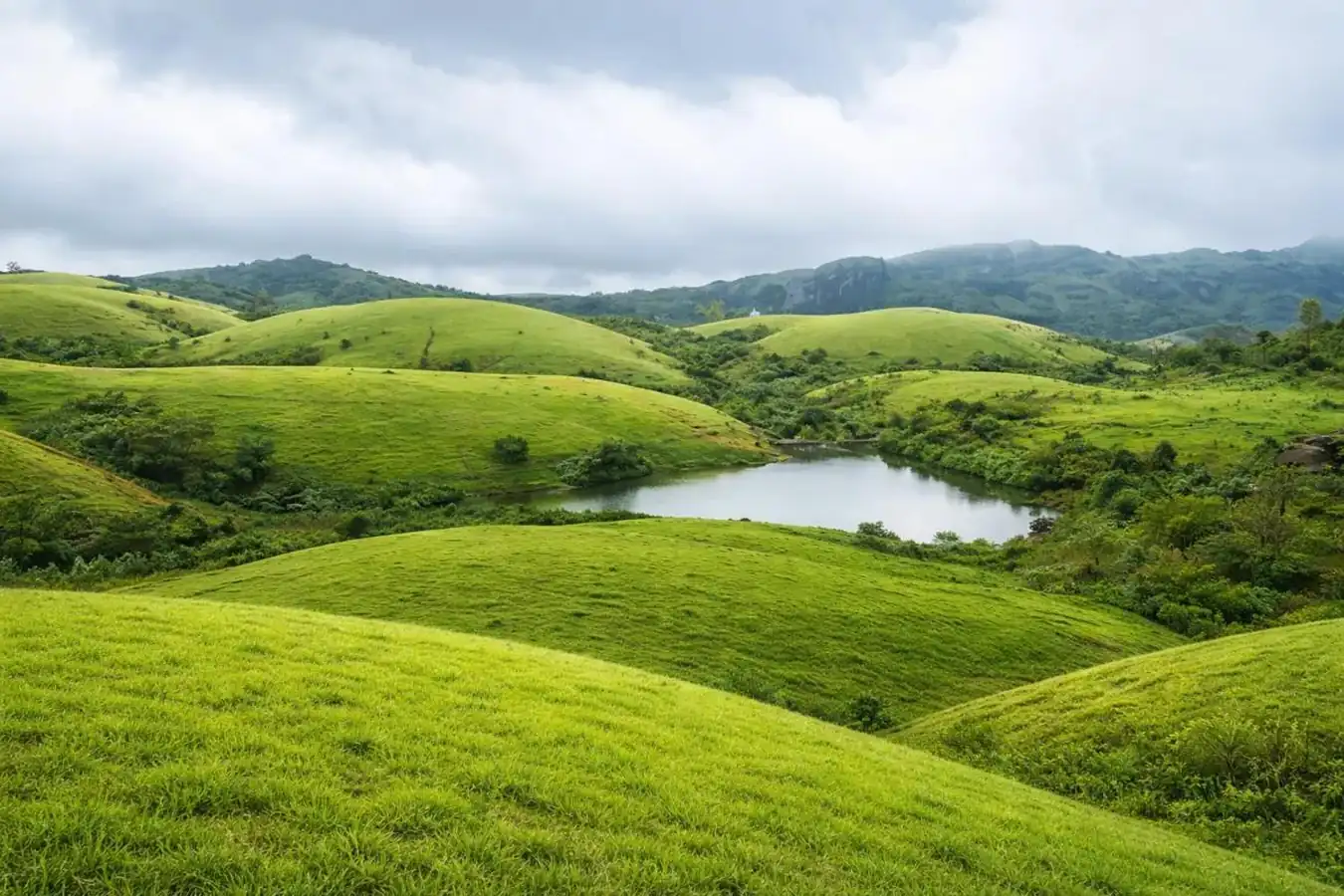
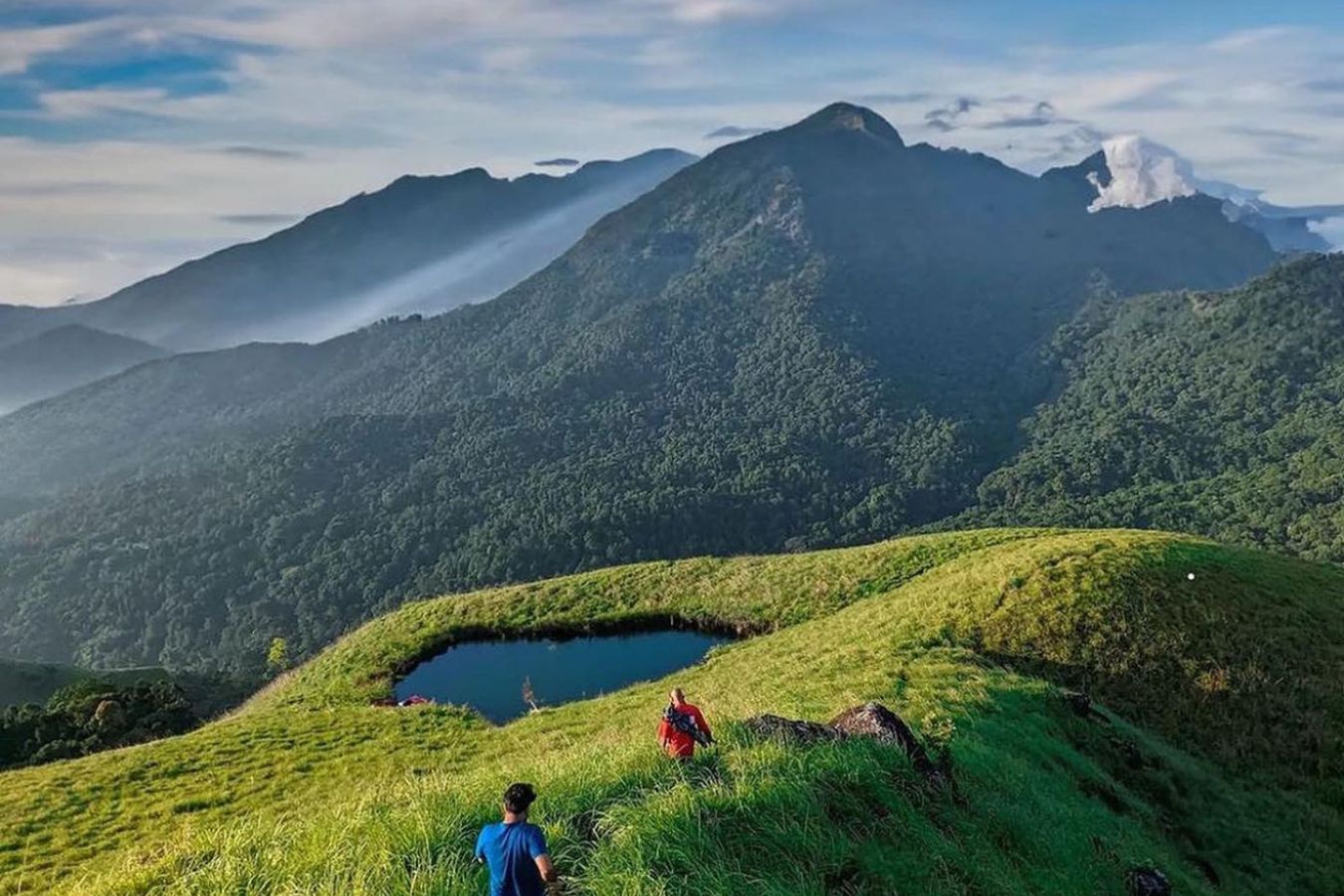
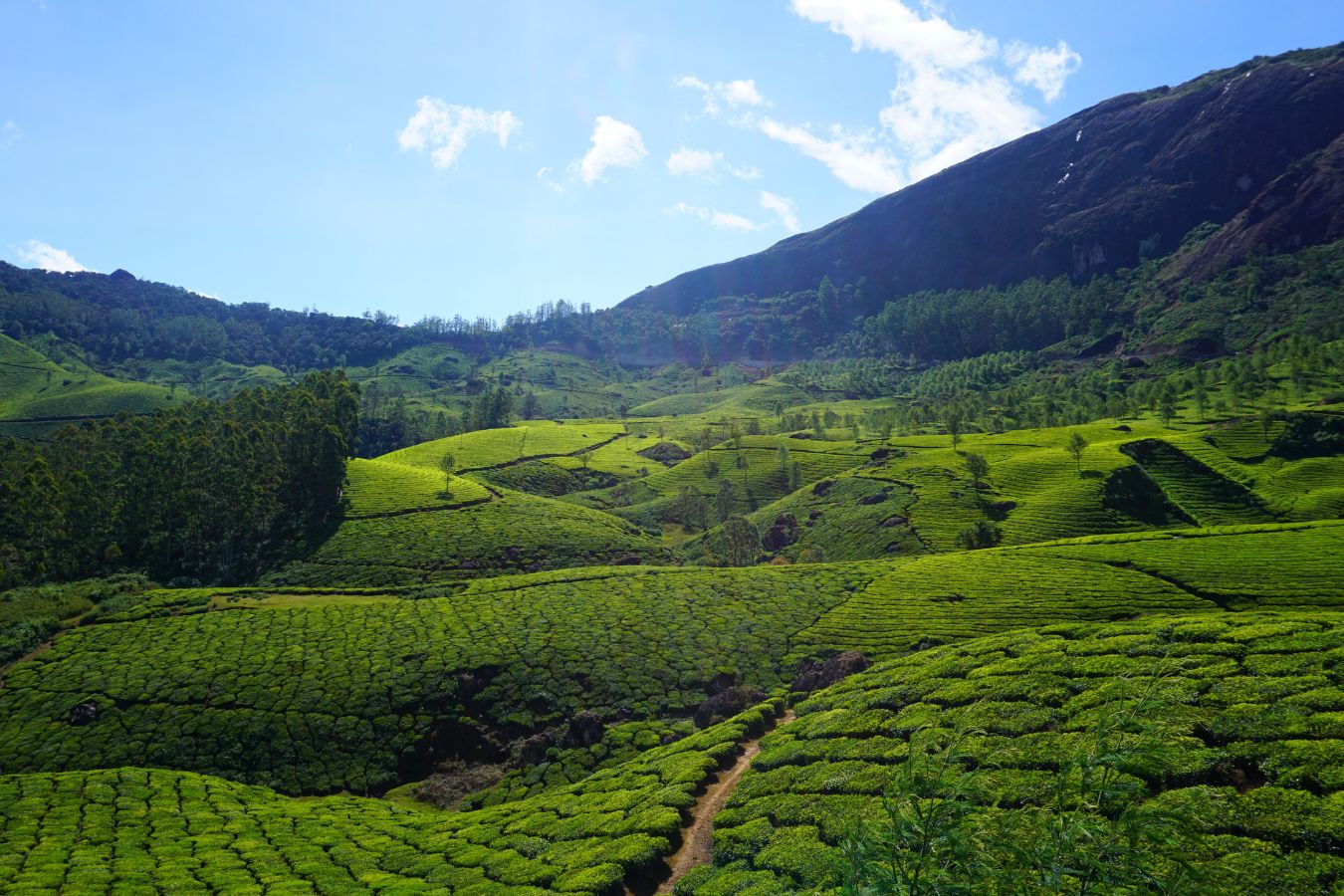
Wildlife sanctuaries in Kerala include some of the most diverse and ecologically rich destinations in India, such as Muthanga Wildlife Sanctuary, Tholpetty Wildlife Sanctuary, Periyar Wildlife Sanctuary, Chinnar Wildlife Sanctuary, Thattekad Bird Sanctuary, Kumarakom Bird Sanctuary Aralam Wildlife Sanctuary, Kadalundi Bird Sanctuary, Neyyar Wildlife Sanctuary, Silent Valley National Park, and Parambikulam Tiger Reserve, each offering a unique glimpse into the state’s rich natural heritage.
Nestled along the Western Ghats, these protected areas preserve everything from dense evergreen forests and grasslands to serene wetlands filled with migratory birds, making Kerala one of the most biodiverse regions in India. From thrilling jungle safaris in Wayanad to peaceful birdwatching near Kumarakom and immersive forest experiences in Thekkady, these destinations showcase the true wild side of Kerala.
If you are planning wildlife experiences in Kerala, choosing a well-organized itinerary can make a big difference. Green Kerala Holidays offers some of the best Kerala tour packages, carefully designed to include top wildlife sanctuaries along with comfortable stays and seamless travel, helping you explore nature without the hassle of planning everything on your own.
Why Visit Wildlife Sanctuaries in Kerala?
Kerala’s wildlife sanctuaries are part of the globally recognized Western Ghats ecosystem, known for its high biodiversity and endemic species. Here’s why you should explore them:
Spot elephants, tigers, deer, and exotic birds
Experience eco-tourism and jungle safaris
Enjoy trekking, bamboo rafting, and birdwatching
Discover untouched natural beauty
Popular Wildlife Sanctuaries in Kerala
Kerala’s wildlife sanctuaries are best explored region-wise, as many of them are located close to each other across popular travel routes like Wayanad, Thekkady, Kochi, and Trivandrum. This makes it easier to plan your itinerary, combine multiple destinations, and enjoy a well-rounded nature experience in a single trip. Whether you’re interested in jungle safaris, birdwatching, or offbeat forest trails, organizing your journey by region helps you make the most of your time while exploring Kerala’s rich biodiversity.
Wayanad Wildlife Sanctuaries
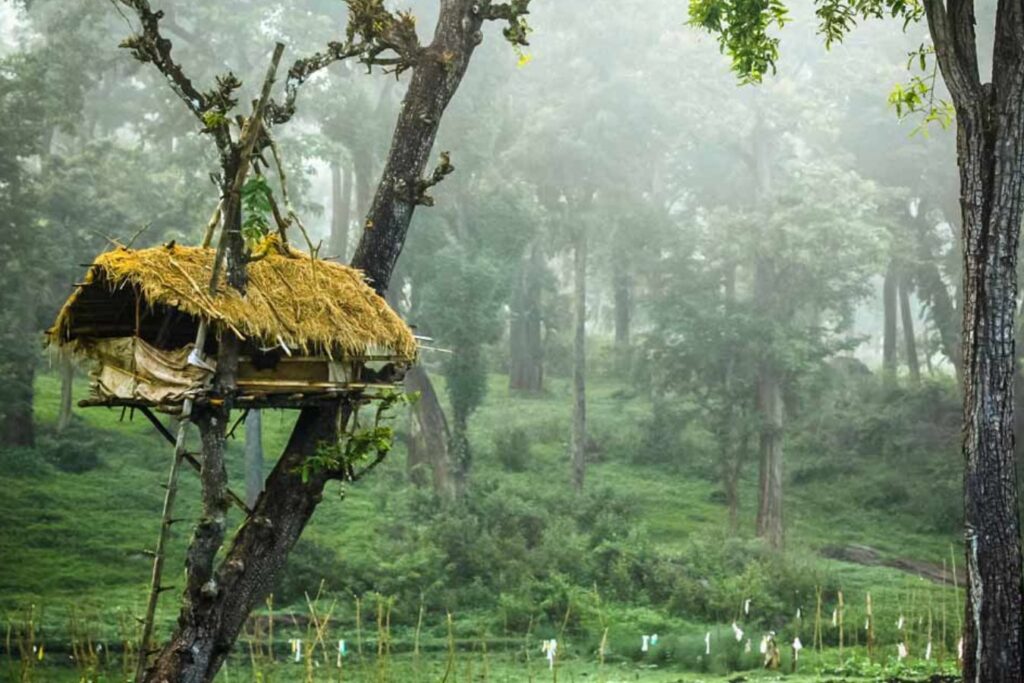
The Wayanad region is one of the most popular wildlife destinations in Kerala, known for its dense forests, mist-covered landscapes, and rich biodiversity. Part of the Nilgiri Biosphere Reserve, this region offers some of the best opportunities in the state to experience wildlife in its natural habitat.
Muthanga Wildlife Sanctuary – A well-known safari destination featuring dense forests, bamboo groves, and open grasslands. Visitors can enjoy jeep safaris through the forest, where sightings of elephants, deer, peacocks, and occasionally predators like leopards are possible. If you’re planning your visit, our Muthanga Wildlife Sanctuary Safari Experience guide covers everything from timings to booking tips.
Tholpetty Wildlife Sanctuary – Located on the northern side of Wayanad, Tholpetty is famous for its structured safari routes and higher chances of spotting animals near water bodies. Early morning and evening safaris offer the best experience, with opportunities to see elephants, bison, and other wildlife. You can explore more details in our Tholpetty Wildlife Sanctuary Safari Guide.
Both sanctuaries are part of the larger Wayanad Wildlife Sanctuary but offer slightly different landscapes and safari experiences. While Muthanga is more popular and easily accessible, Tholpetty is often preferred by those looking for a quieter and more immersive wildlife experience. Travelers visiting Wayanad usually include both in their itinerary to explore different zones and maximize their chances of wildlife sightings.
North Kerala Wildlife & Bird Sanctuaries
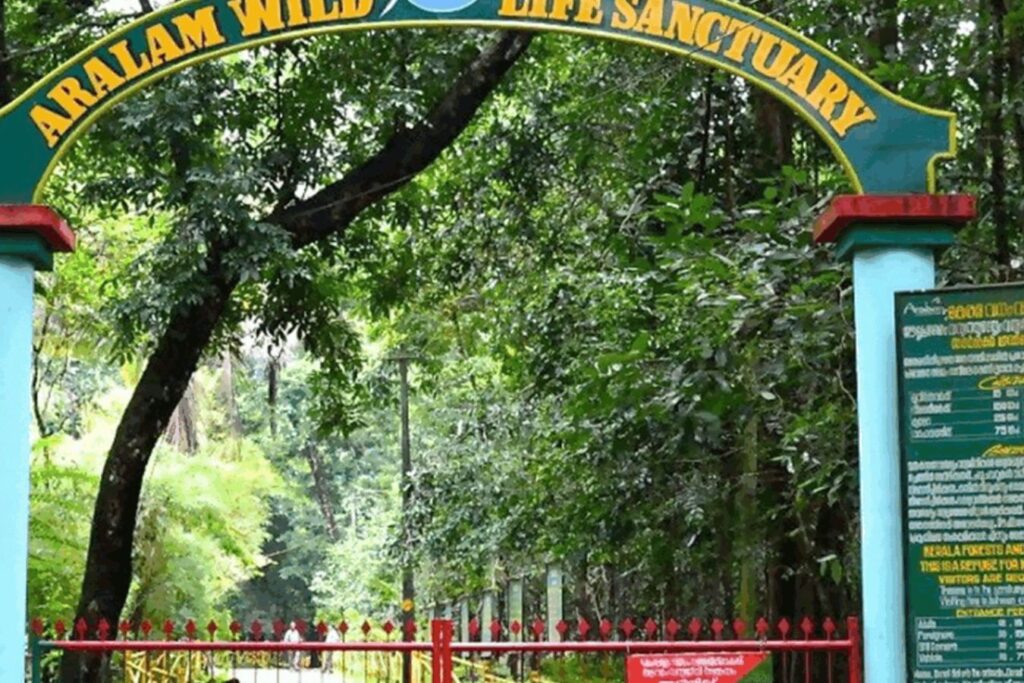
North Kerala offers quieter and less crowded wildlife destinations, making it perfect for travelers who prefer offbeat experiences and a closer connection with nature. With fewer tourist crowds and untouched landscapes, this region is ideal for peaceful exploration and birdwatching.
Aralam Wildlife Sanctuary – A hidden gem nestled in the Western Ghats, Aralam is known for its dense forests, diverse plant species, and rich wildlife. The sanctuary is also popular for trekking, offering visitors a chance to explore its natural beauty up close while spotting butterflies, birds, and small mammals along the trails.
Kadalundi Bird Sanctuary – Located at the confluence of the Kadalundi River and the Arabian Sea, this sanctuary is a seasonal paradise for migratory birds. During the winter months, birdwatchers can spot a variety of species, making it a great destination for photography and relaxed nature walks.
These destinations are best suited for travelers looking to explore Kerala beyond the usual tourist circuit, offering a more serene and immersive wildlife experience.
Trivandrum Wildlife Sanctuaries
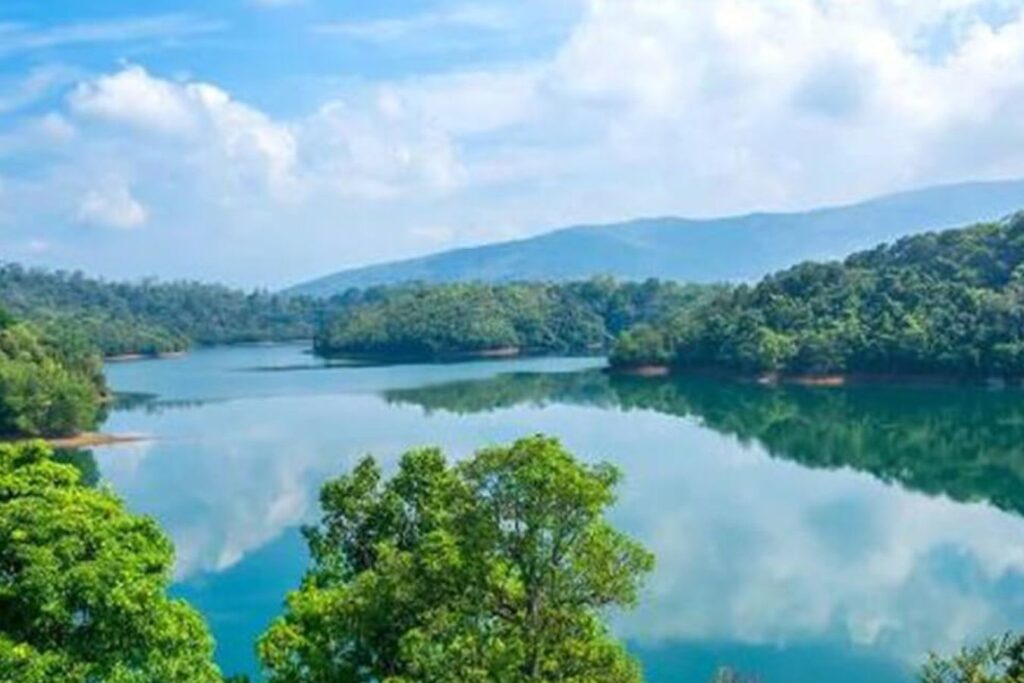
For travelers exploring South Kerala, especially around the capital city of Thiruvananthapuram (Trivandrum), there are easily accessible wildlife destinations that offer a refreshing escape into nature without long travel distances.
Neyyar Wildlife Sanctuary – One of the most popular nature spots near the city, Neyyar offers a mix of wildlife, trekking trails, and scenic beauty. Visitors can explore the lion safari park, enjoy views of the Neyyar Dam, and take part in guided treks through the forested hills.
Peppara Wildlife Sanctuary – A quieter and less crowded sanctuary, Peppara is known for its lush forests, reservoirs, and diverse wildlife. It’s ideal for those seeking a peaceful and more immersive nature experience away from busy tourist spots.
Many travelers staying in Trivandrum include Neyyar in their itinerary as a quick and convenient nature escape, while Peppara is perfect for those looking to explore a more untouched side of Kerala’s forests.
Explore Kerala’s Untouched Forests and Hidden Wildlife Destinations
For travelers looking beyond the more popular safari spots, Kerala also offers some of the most pristine and less-explored forest ecosystems. These destinations are known for their rich biodiversity, conservation efforts, and immersive nature experiences.
Silent Valley National Park – One of the last remaining tropical rainforests in India, home to rare species like the lion-tailed macaque and untouched natural landscapes.
Parambikulam Tiger Reserve – A well-protected reserve offering unique eco-tourism activities such as bamboo rafting, jungle stays, and guided wildlife safaris.
These destinations are perfect for those who want a deeper connection with nature, away from crowded tourist routes.
Best Time to Visit Wildlife Sanctuaries in Kerala
The ideal time to explore wildlife sanctuaries in Kerala largely depends on what kind of experience you’re looking for. Each season offers something unique, from better wildlife sightings to lush green landscapes.
October to March – This is the best time to visit, with pleasant weather and higher chances of spotting wildlife. It’s perfect for safaris, trekking, and birdwatching.
April to May – As temperatures rise, animals tend to gather near water sources, making it a good time for sightings, especially in forest reserves.
Monsoon (June to September) – The forests turn incredibly green and vibrant during this season. While safari access may be limited, it’s a great time for nature lovers who enjoy scenic beauty and fewer crowds.
Tips for Visiting Wildlife Sanctuaries in Kerala
To make the most of your wildlife experience, it’s important to be prepared and follow basic guidelines.
Book your safari in advance, especially during peak tourist seasons
Choose early morning or late evening slots for better wildlife sightings
Wear neutral or earthy-colored clothing to blend with the surroundings
Maintain silence and avoid disturbing animals in their natural habitat
Carry essentials like binoculars, camera, water, and comfortable footwear
Conclusion
Exploring wildlife sanctuaries in Kerala is more than just a travel experience—it’s a chance to step into some of the most diverse and ecologically rich landscapes in India. From the safari trails of Muthanga Wildlife Sanctuary to the tranquil waters of Periyar Wildlife Sanctuary and the bird-filled habitats of Kadalundi Bird Sanctuary, each destination offers a unique connection with nature.
What makes Kerala truly special is the variety of experiences you can enjoy within a relatively short distance—whether it’s spotting wildlife in dense forests, walking through peaceful bird sanctuaries, or exploring lesser-known natural trails. By planning your journey thoughtfully and exploring these regions step by step, you can create a travel experience that is both enriching and memorable.
Freequently Asked Questions
1.Which is the best wildlife sanctuary in Kerala?
Some of the most popular wildlife sanctuaries include Periyar Wildlife Sanctuary, Muthanga Wildlife Sanctuary, and Thattekad Bird Sanctuary. The best choice depends on your interest—safari, birdwatching, or trekking.
2. What is the best time to visit wildlife sanctuaries in Kerala?
The ideal time is from October to March when the weather is pleasant and wildlife sightings are more frequent. Early mornings and evenings are the best times for safaris.
3. Are safaris available in all wildlife sanctuaries?
No, not all sanctuaries offer jeep safaris. Places like Muthanga, Tholpetty, and Periyar provide safari experiences, while bird sanctuaries like Kumarakom and Kadalundi are better suited for walking and birdwatching.
4. Can I visit multiple wildlife sanctuaries in one trip?
Yes, many sanctuaries are located close to each other. For example, in Wayanad you can visit both Muthanga Wildlife Sanctuary and Tholpetty Wildlife Sanctuary, while in Central Kerala you can combine Thattekad with Kumarakom.
5. Are wildlife sanctuaries in Kerala safe for tourists?
Yes, they are safe when you follow the guidelines provided by forest authorities. Always stay with guides during safaris and avoid disturbing wildlife.
6. What should I carry when visiting a wildlife sanctuary?
Carry essentials like comfortable clothing, binoculars, camera, water bottles, and sunscreen. Wearing neutral colors is recommended to blend with the surroundings.