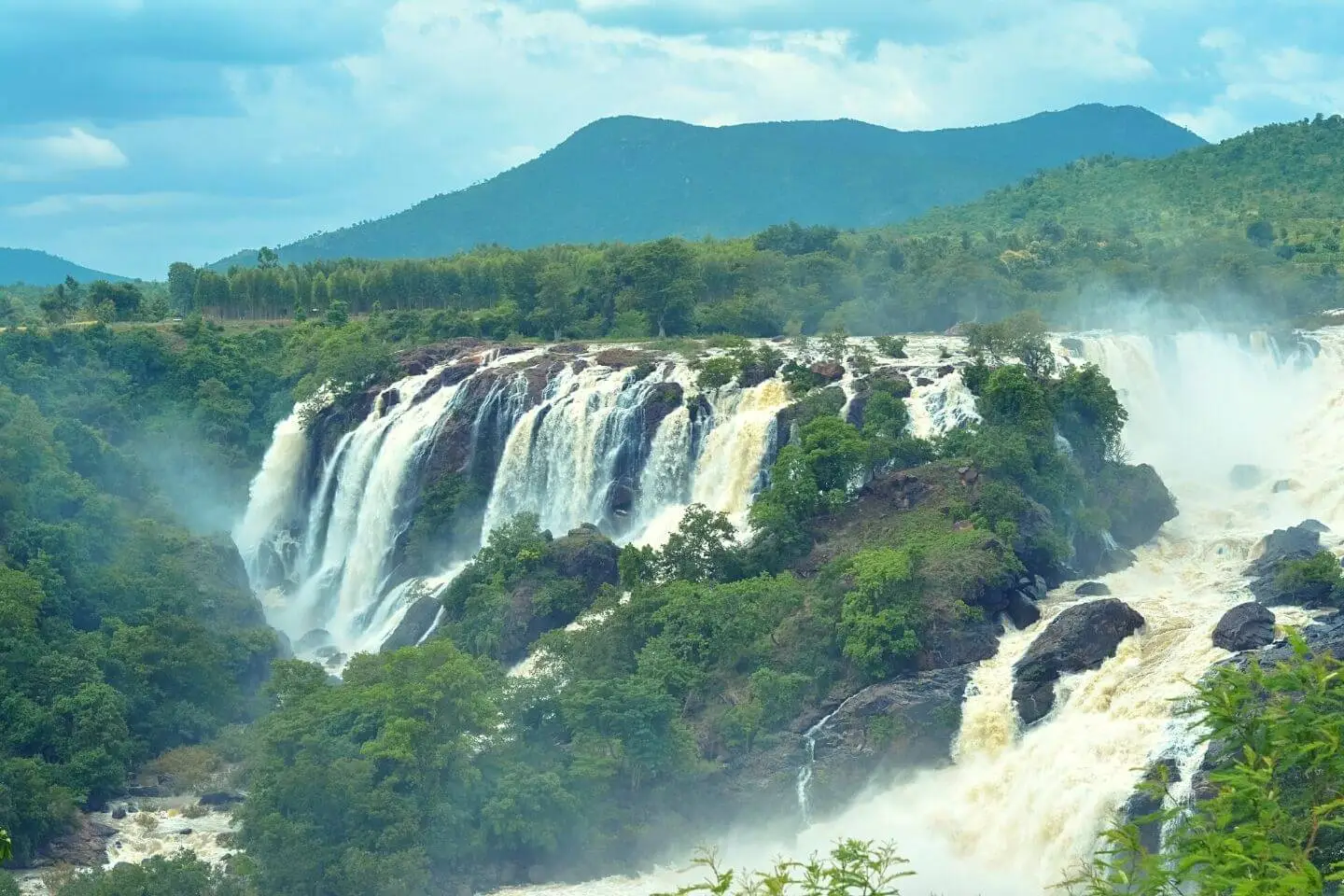
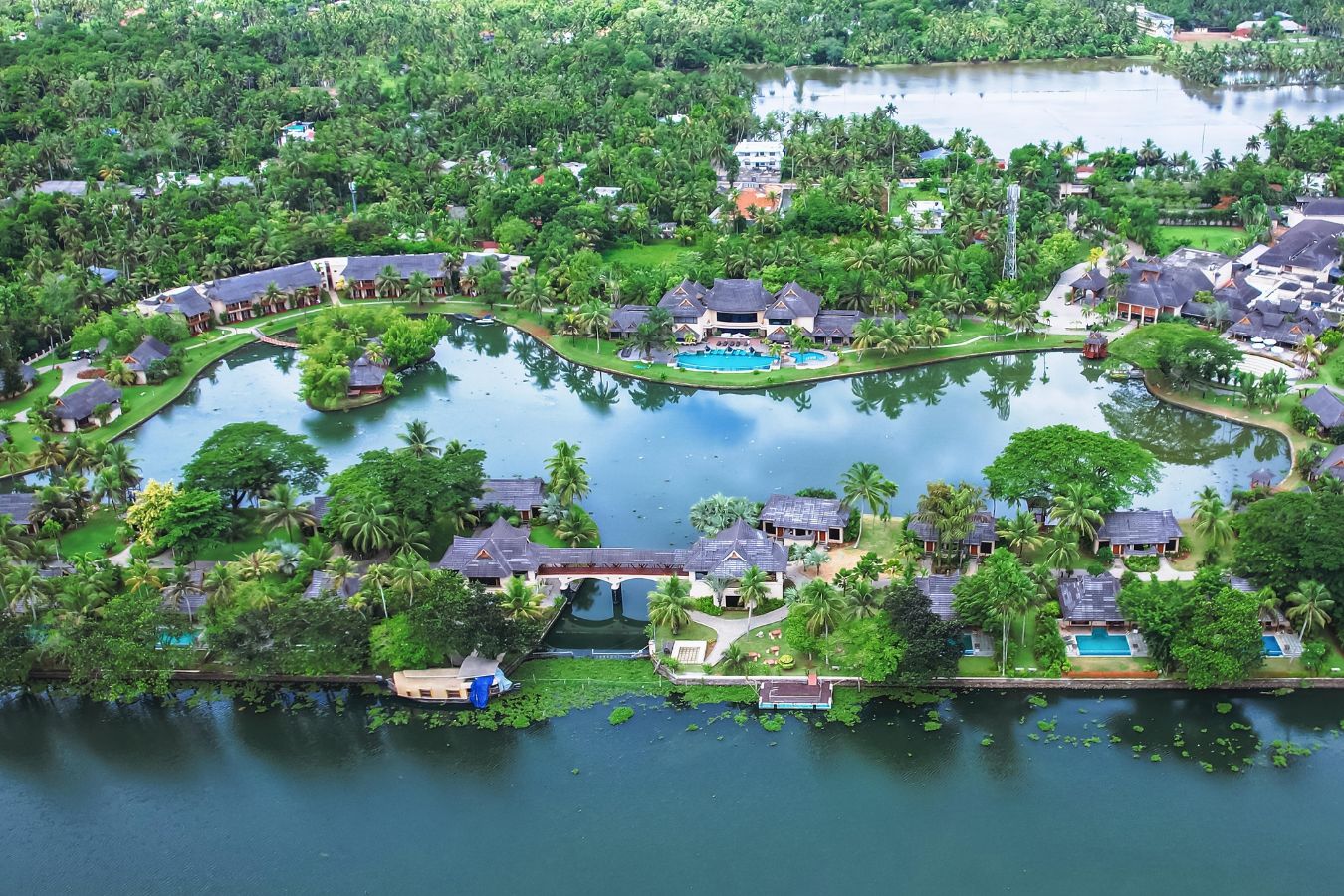
Kerala, often called “God’s Own Country”, is a lush tropical state along India’s southwestern Malabar Coast, recently ranked among the world’s top travel destinations for 2026.
From the emerald backwaters of Alappuzha to the mist-covered tea plantations of the Western Ghats and its 580 km palm-fringed Arabian Sea coastline, the state offers remarkable geographic diversity within short travel distances. Known for its high literacy rate, progressive social development, and traditions like Ayurveda and Kathakali, Kerala blends deep-rooted heritage with a globally influenced modern culture shaped by centuries of trade.
As of 2026, it is also in the process of officially adopting the name “Keralam” to reflect its linguistic and cultural identity. More than a checklist destination, Kerala is best experienced slowly—its beaches, backwaters, wildlife, hill stations, and temples reward travellers who prioritise depth over speed.
5 Best Places to Visit in Kerala
Kerala offers diverse travel experiences, including Wayanad’s nature adventures, Thekkady’s wildlife and spice plantations, Kochi’s rich culture and history, Alappuzha’s peaceful backwaters, and Munnar’s scenic tea-covered hill stations.
- Munnar
- Kochi
- Alapuzha
- Munnar
- Thekkady
1. Munnar: The Iconic Hill Station
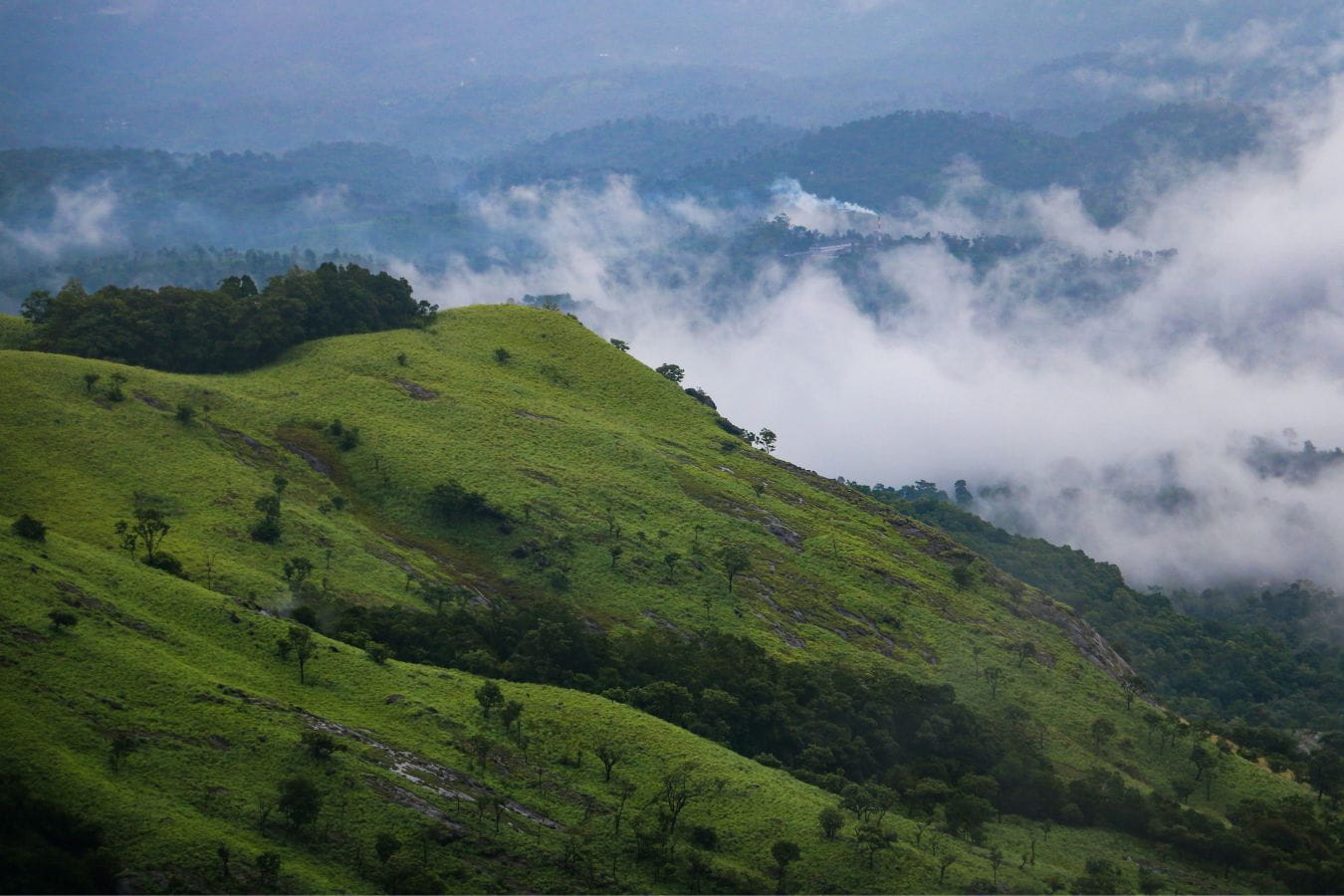
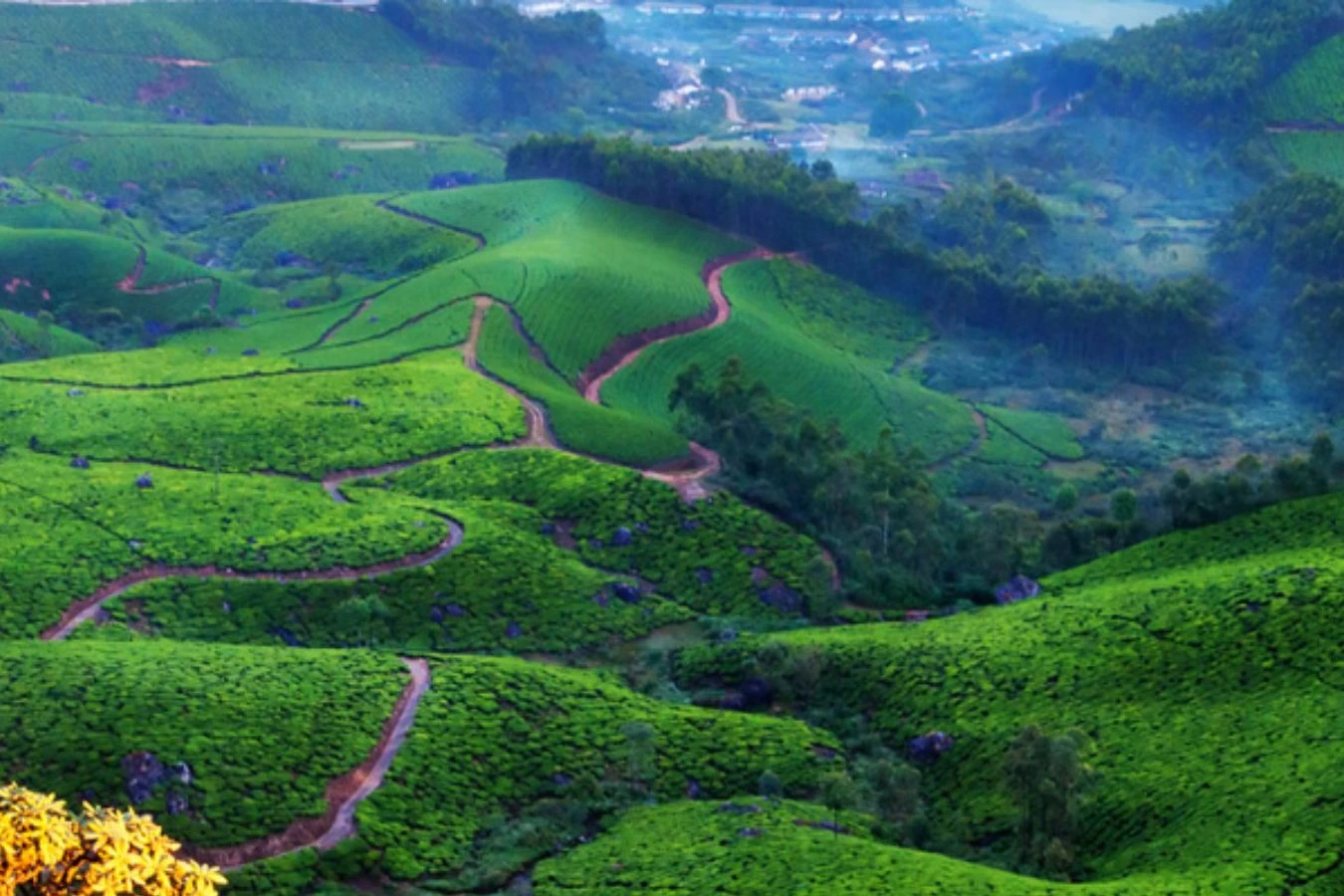
Perched at 1,532 metres above sea level, Munnar is one of the best places to visit in Kerala, renowned for its sprawling emerald tea estates, mist-covered valleys, and refreshingly cool climate that offers a perfect escape from the tropical heat. This iconic hill station is home to Eravikulam National Park, where the endangered Nilgiri tahr roams across rolling grasslands.
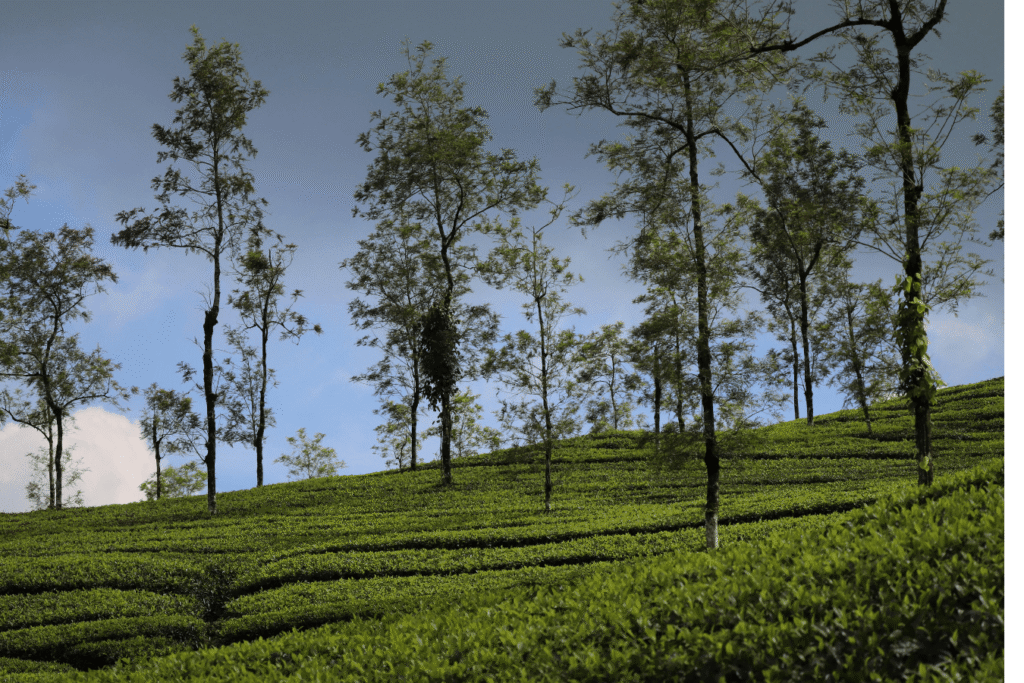
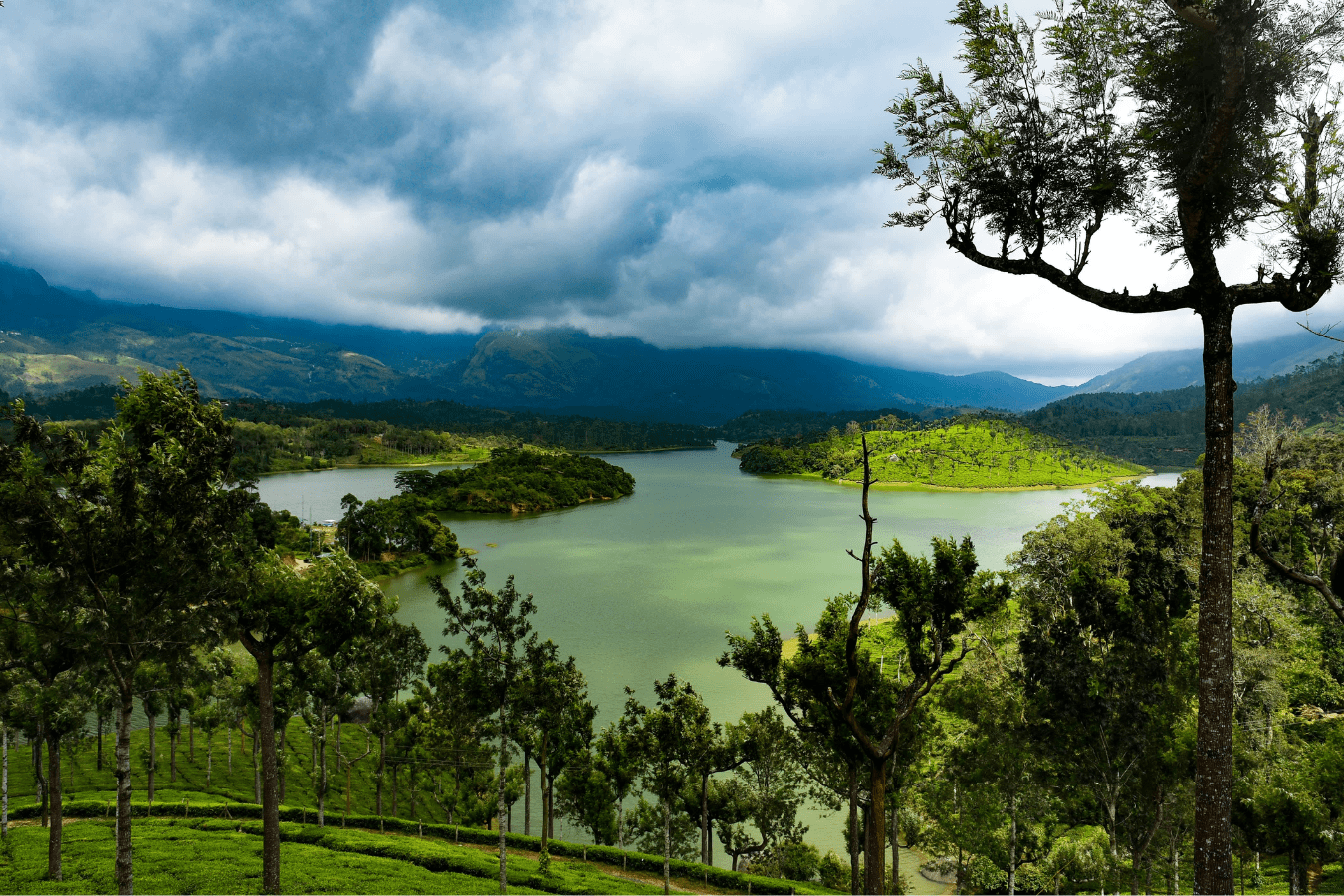
Nearby attractions like Top Station provide breathtaking panoramic valley views, and Mattupetty Dam offers a peaceful retreat amid calm waters and surrounding hills. With its dramatic landscapes, rich biodiversity, and tranquil atmosphere, Munnar continues to attract nature lovers, honeymooners, and adventure seekers alike, making it a must-visit destination in Kerala.
The best time to visit Munnar in 2026 is from September to March, when the weather is at its most pleasant (10°C–25°C) for sightseeing and trekking.
2. Alappuzha—Backwater Capital
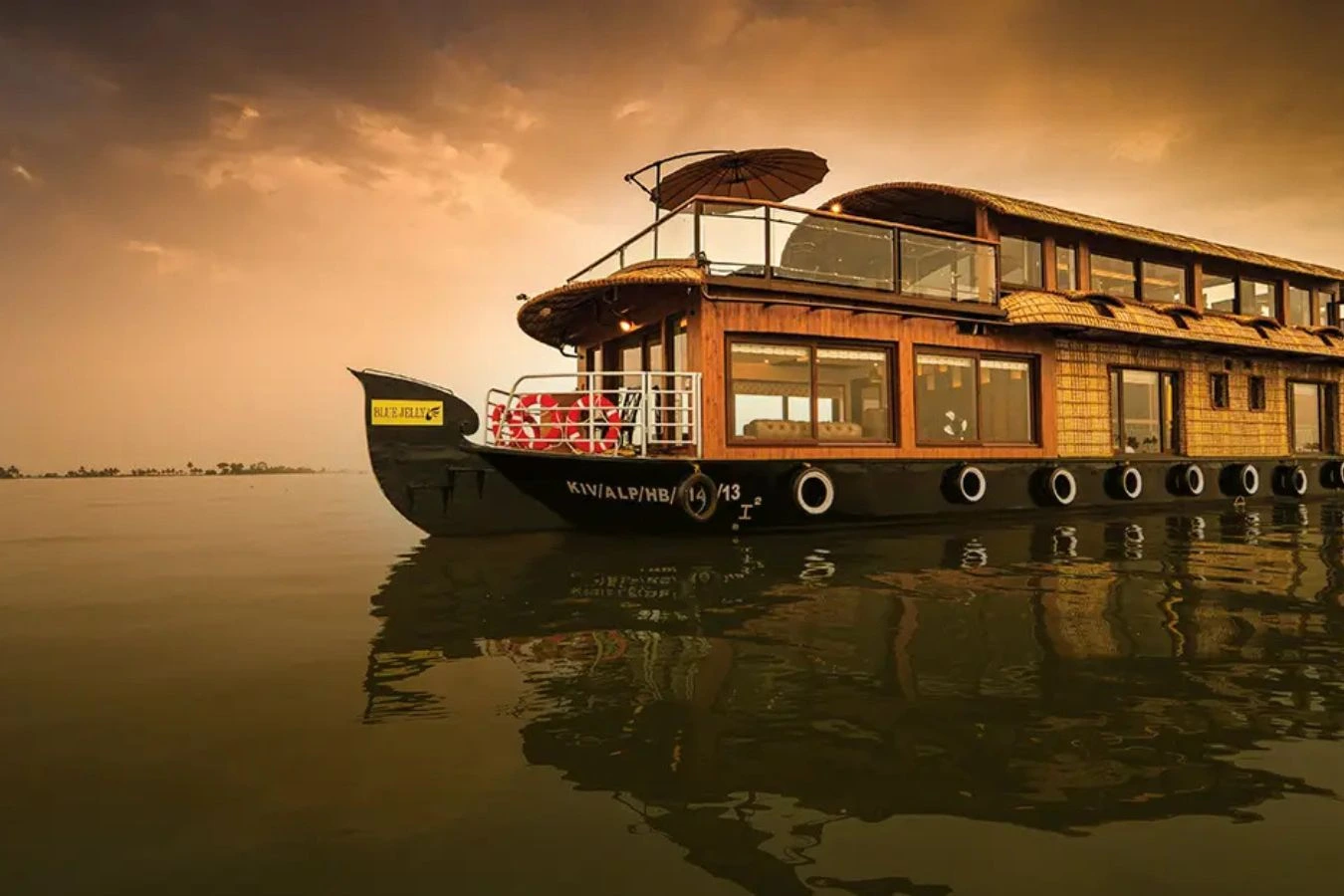
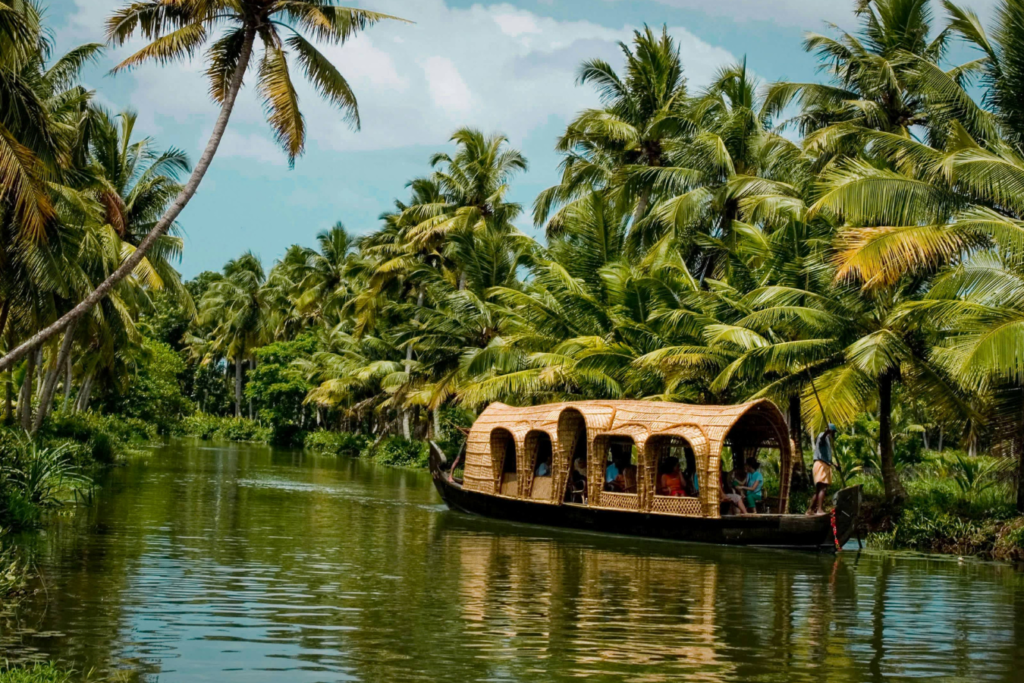
Known as the “Venice of the East”, Alappuzha is one of the best places to visit in Kerala and the heart of the state’s iconic backwaters, famous for its traditional kettuvallam houseboat experiences. Visitors can cruise through the serene, palm-lined canals of the Kuttanad region, where everyday village life unfolds along the waterways, creating a peaceful, cinematic atmosphere—especially at sunset.
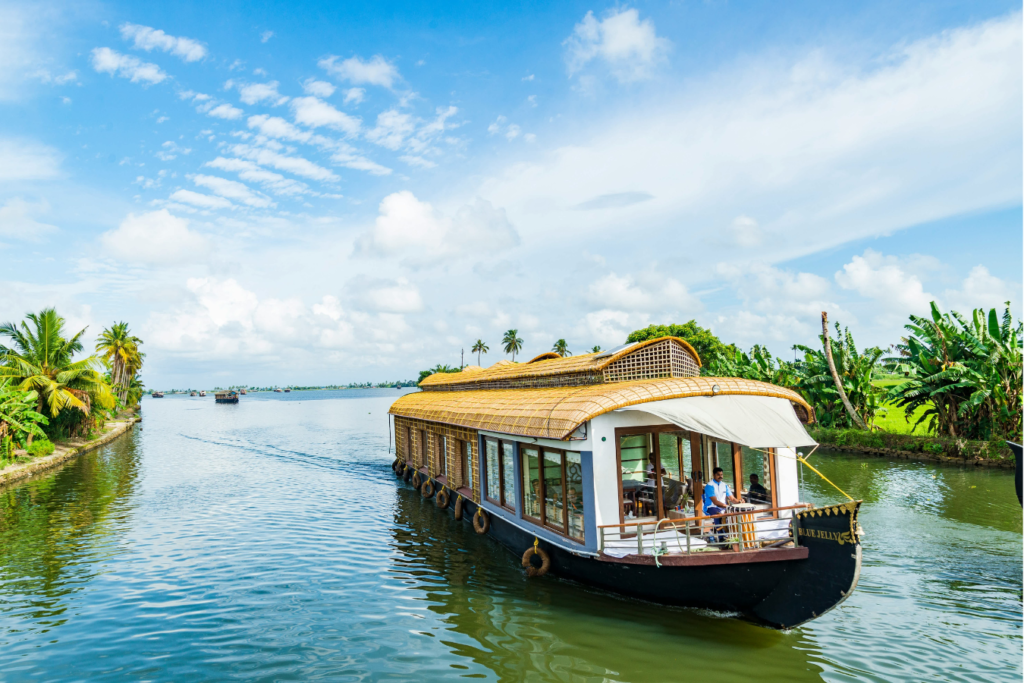
Many travellers opt for overnight houseboat stays to immerse themselves fully in the backwater charm, while nearby Marari Beach provides a quieter coastal retreat. Ideal for relaxation and slow travel, Alappuzha rewards those who take their time to explore. From a practical standpoint, a well-planned day cruise often offers better value and flexibility than an overnight houseboat stay.
The best time to visit Alappuzha, the Backwater Capital of Kerala, is from October to March, when the weather is cool and pleasant, making it perfect for houseboat cruises, backwater rides, and relaxed sightseeing.
3. Kochi—Culture & History
Kochi: Known as the “Queen of the Arabian Sea”, Kochi is one of the best places to visit in Kerala, offering a vibrant blend of global influences shaped by over 600 years of trade, where the legacies of the Chinese, Portuguese, Dutch, and British continue to define its character. In Fort Kochi, visitors can watch the iconic Chinese fishing nets in action, explore the spice-scented lanes of Jew Town, and step inside the 16th-century Paradesi Synagogue.
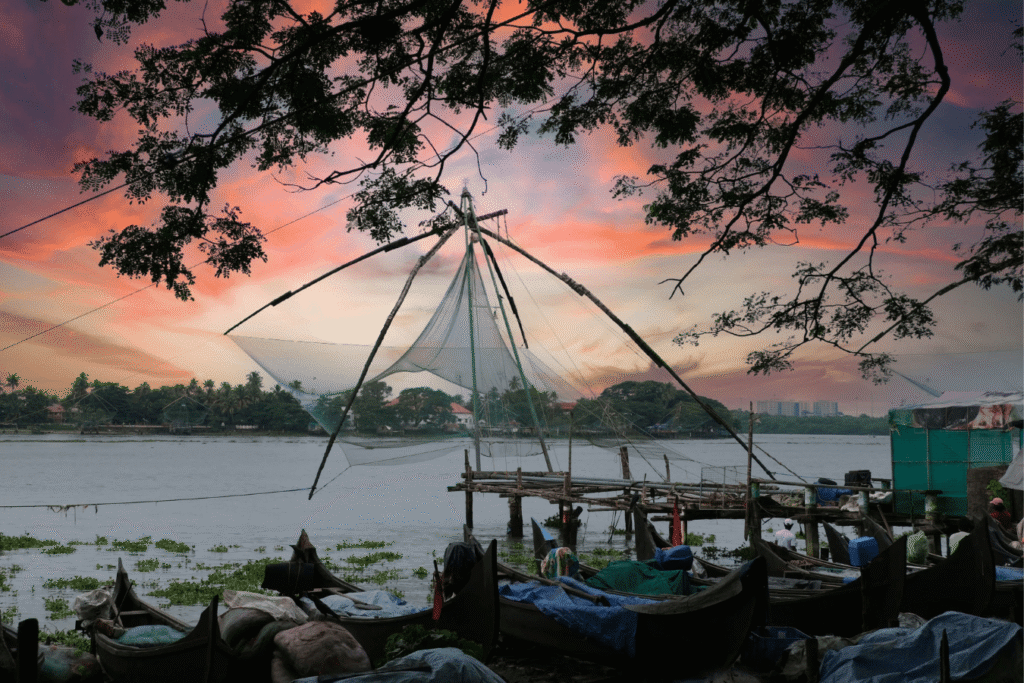
The city’s cultural richness extends to traditional performances at the Kerala Kathakali Centre and the internationally acclaimed Kochi-Muziris Biennale, which transforms the city into a contemporary art hub. Ideal for history lovers, café explorers, and art enthusiasts, Kochi also serves as a practical and well-connected gateway for any Kerala itinerary.
The best time to visit Kochi is from October to March, when the weather is pleasant and the humidity is lower. This period is ideal for exploring Fort Kochi, enjoying sunset views at Marine Drive, and visiting heritage sites without the discomfort of intense heat.
4. Thekkady—Wildlife & Spice
Thekkady is widely regarded as one of the best places to visit in Kerala, often called the state’s wild heart, where the scent of cardamom, pepper, and clove lingers in the cool mountain air. It is home to Periyar National Park, one of India’s most prominent tiger reserves, along with the renowned Periyar Wildlife Sanctuary. A boat safari on Periyar Lake offers a chance to spot wild elephants, sambar deer, and a diverse array of birdlife along the forested shores.

Beyond wildlife, visitors can explore spice plantations that have earned the region its “Spice Capital” reputation or experience the dynamic martial art of Kalaripayattu at local cultural centres. Ideal for wildlife lovers and nature enthusiasts, Thekkady is particularly rewarding in summer (March–May), when animals gather near water sources, improving sighting opportunities — though this is also when heat and visitor numbers peak, so timing matters.
The best time to visit Thekkady is October to March, when the weather is cool and comfortable, making it ideal for wildlife safaris, boat rides on Periyar Lake, spice plantation tours, and trekking activities.
5. Wayanad—Nature & Adventure
Wayanad is one of the best places to visit in Kerala, a lush highland escape in the Western Ghats defined by rugged peaks, dense forests, and cool mountain air. Adventure seekers can trek to the heart-shaped lake at the top of Chembra Peak or explore the prehistoric Edakkal Caves, where rock carvings date back over 6,000 years.
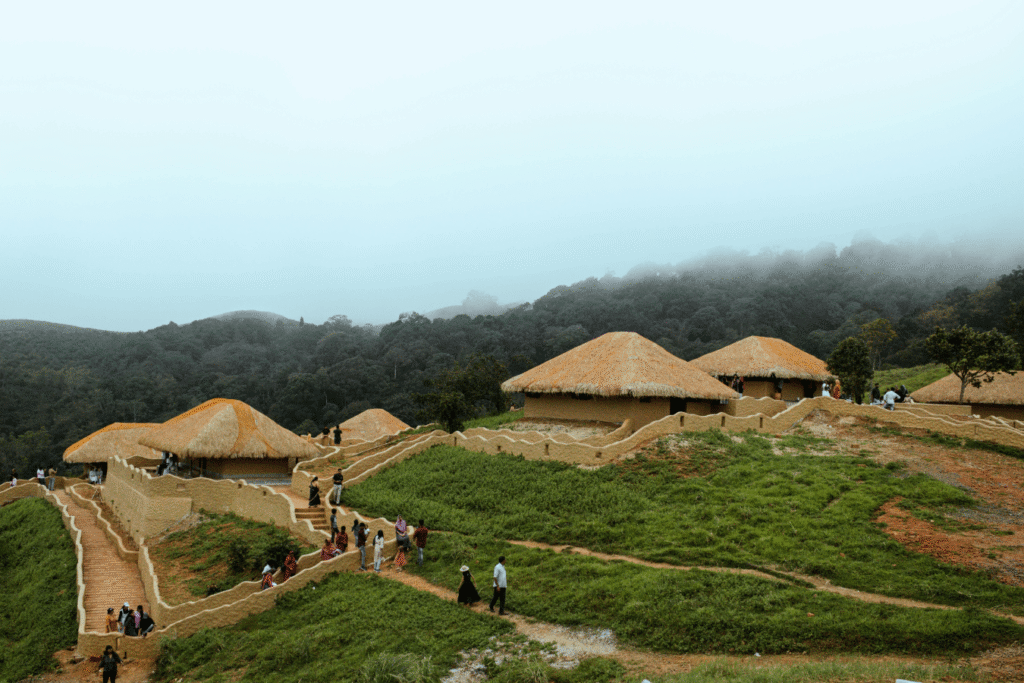
The Wayanad Wildlife Sanctuary provides opportunities to spot elephants and Indian bison roaming freely, while waterfalls and forest trails enhance the region’s raw, untouched charm. Ideal for adventure travellers and nature lovers, Wayanad rewards those who actively explore, but the distances between key attractions are longer than they seem on a map, so poor planning can waste valuable time.
The best time to visit Wayanad is October to March, when the climate is cool and pleasant, making it ideal for trekking, sightseeing, and exploring nature. Clear skies and comfortable temperatures enhance visits to places like Edakkal Caves and Banasura Sagar Dam.
Best Time to Visit Kerala
Choosing the best time for your 2026 trip depends on whether you prioritise blue skies, budget savings, or the lush experience of the monsoon.
1. October to March: Peak Season (Ideal Weather)
This is the “Goldilocks” period—not too hot and not too wet.
Weather: Pleasant and dry with temperatures between 18°C and 30°C. Hill stations like Munnar can drop to 10°C at night.
Best For: Everything. Houseboat cruises in Alleppey, beach lounging in Varkala, and trekking in Wayanad are best during these months.
2026 Note: This is the busiest time. Expect higher flight prices and fully booked hotels, especially during the Kochi-Muziris Biennale (running through March 2026).
2. March to May: Summer (Budget Travel)
The humidity rises, and the sun gets intense, but the hill stations remain a cool refuge.
Weather: hot and humid, with temperatures ranging from 28°C to 36°C.
Best For: Travellers seeking luxury at less. You can find 5-star resorts at 40-60% off. It’s also the best time for wildlife spotting in Periyar or Wayanad, as animals congregate around receding water sources.
Key Event: The spectacular Thrissur Pooram festival usually falls in late April.
3. June to September: Monsoon (Rejuvenation Season)
Kerala’s landscape turns a brilliant emerald green, and the waterfalls are at their most powerful.
Weather: Frequent heavy downpours and high humidity.
Best For: Ayurvedic Treatments. Ancient tradition holds that the body is most receptive to healing therapies during the monsoon when the pores are fully open.
2026 Note: The Southwest Monsoon is expected to hit Kerala around June 1, 2026. While great for scenery, some houseboat operations and beach activities may be restricted for safety during heavy storms.
CONCLUSION
Kerala is a destination best experienced slowly, not rushed. From the misty hills of Munnar to the tranquil backwaters of Alappuzha and the cultural streets of Kochi, each region offers a unique atmosphere within easy reach. Add the wildlife experiences of Thekkady, the lush green landscapes of Wayanad, the serene beaches, temples, and waterfalls, and the diversity becomes clear. The secret to a memorable 2026 trip is simple: focus on fewer places and explore them deeply. Kerala rewards travellers who value meaningful experiences over rushed sightseeing.
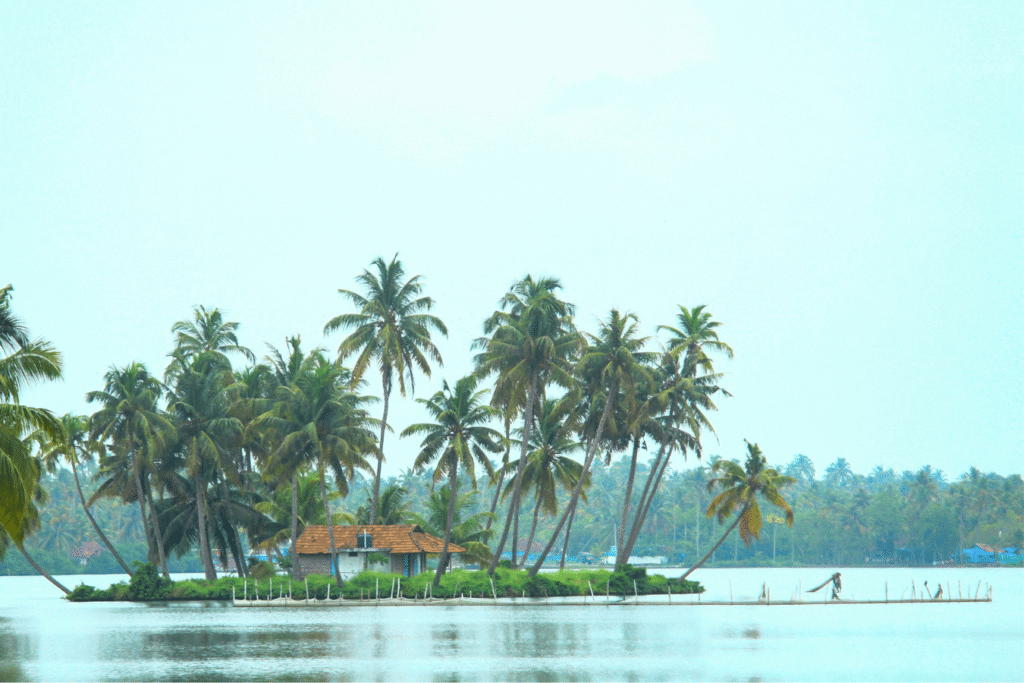
If you are planning a trip to Kerala, Green Kerala Holidays offers personalised tour packages designed to help you experience the very best of the state. From the misty hill stations of Munnar and the wildlife adventures of Thekkady to the peaceful backwaters of Alappuzha and the cultural charm of Kochi, every journey is carefully planned to suit your interests.
As a personal tour operator, Green Kerala Holidays focuses on creating comfortable, memorable travel experiences across Kerala. For customised packages or travel inquiries, you can contact us at trips@greenkeralaholidays.com.
Frequently Asked Questions (FAQ) – Kerala Travel
1. What is the best time to visit Kerala?
The ideal time is from October to March, when the weather is pleasant. Summer (March–May) is good for wildlife in Thekkady, while monsoon (June–September) is best for Ayurveda and waterfalls.
2. How many days are enough for Kerala?
7–10 days is ideal. Covering Munnar, Alappuzha, and Kochi comfortably requires at least a week.
3. Are houseboats in Alappuzha worth it?
Yes, but a quality day cruise is often a better value than a budget overnight stay.
4. Is Kerala safe for solo and female travellers?
Yes. Kerala has high literacy and generally good safety standards, though basic precautions are advised.
5. Do temples in Kerala have dress codes?
Yes. Major temples like Sree Padmanabhaswamy Temple require traditional attire.
6. Can I extend my tourist visa if I want to stay longer?
Yes. Extensions can be applied for at the Foreigners Regional Registration Office (FRRO) in India, but you must apply before your current visa expires.
7. What is an e-Visa?
An e-Visa is an online visa option available to eligible travellers from many countries. You apply online, pay the fee, and receive an Electronic Travel Authorisation (ETA) by email. Once approved, it’s printed and presented upon arrival, where it’s stamped into your passport.
8. What documents are required for an Indian tourist visa?
1. A valid passport with at least six months’ validity beyond your intended stay.
2. Recent passport-style photographs.
3. Proof of travel itinerary (e.g., flight bookings).
4. Accommodation details (hotel or stay bookings).
5. Financial proof showing sufficient funds for your stay